Diary of a Themeless People
A gallery of street-level frames, following people in motion and in passing moments.
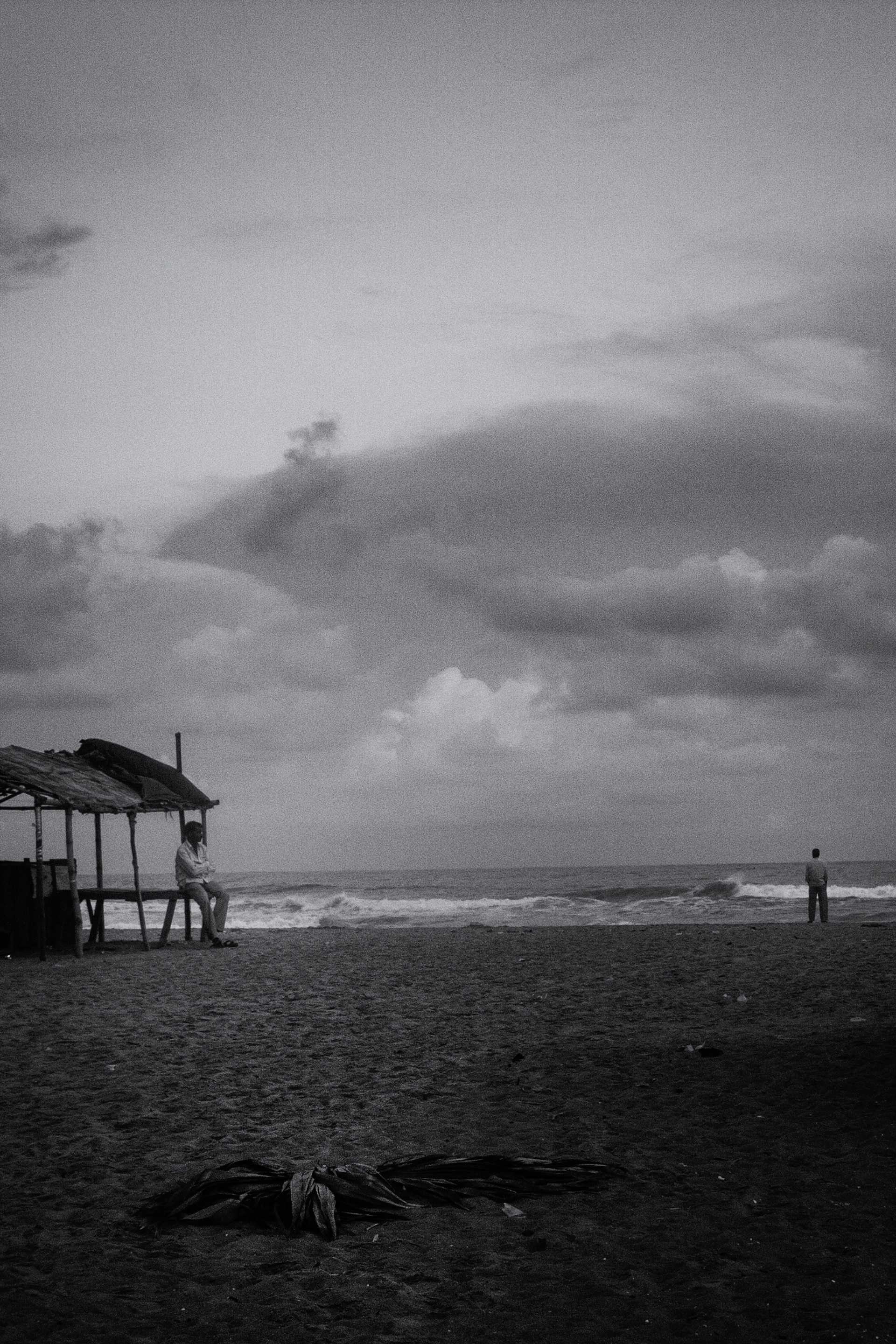
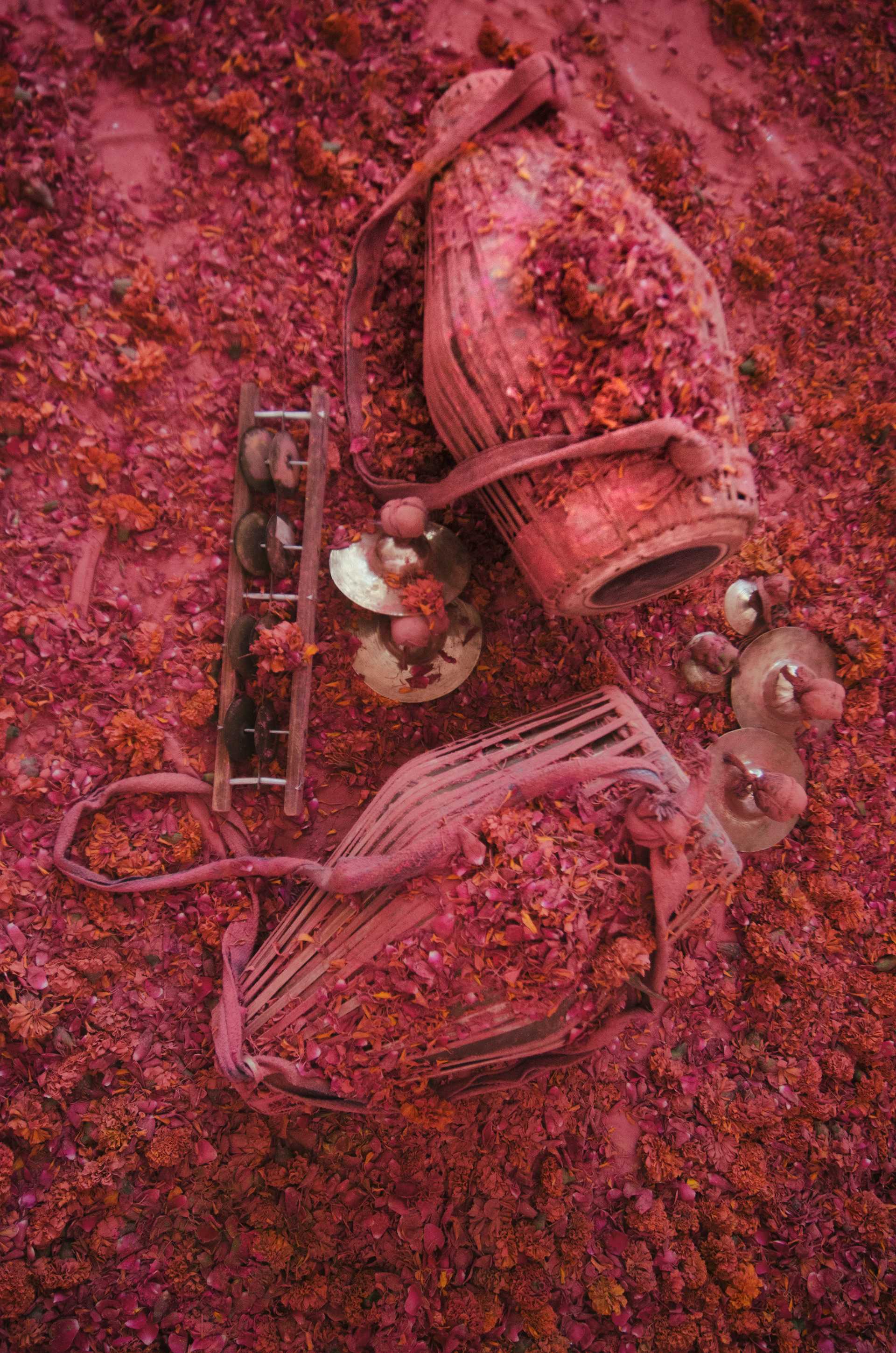
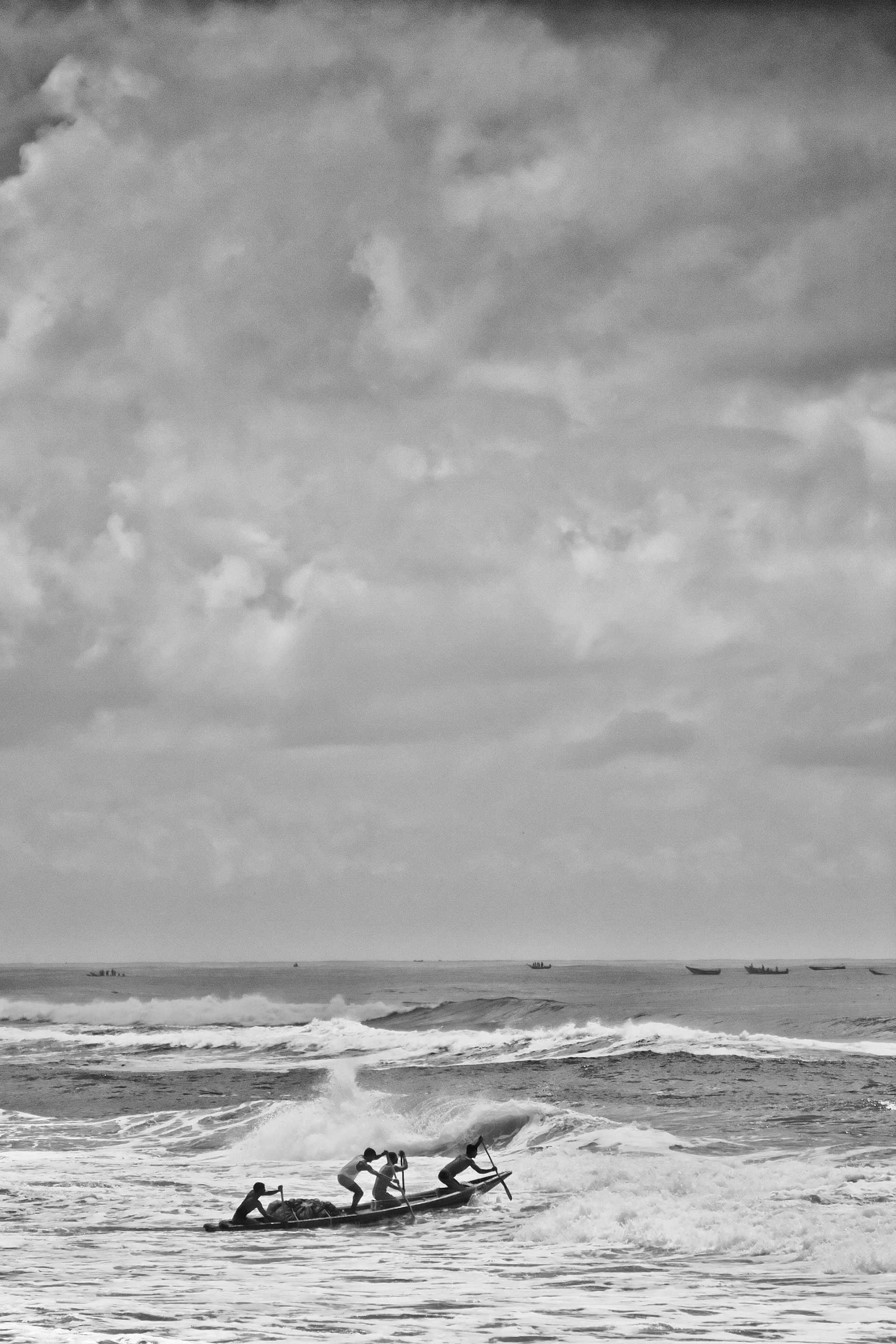
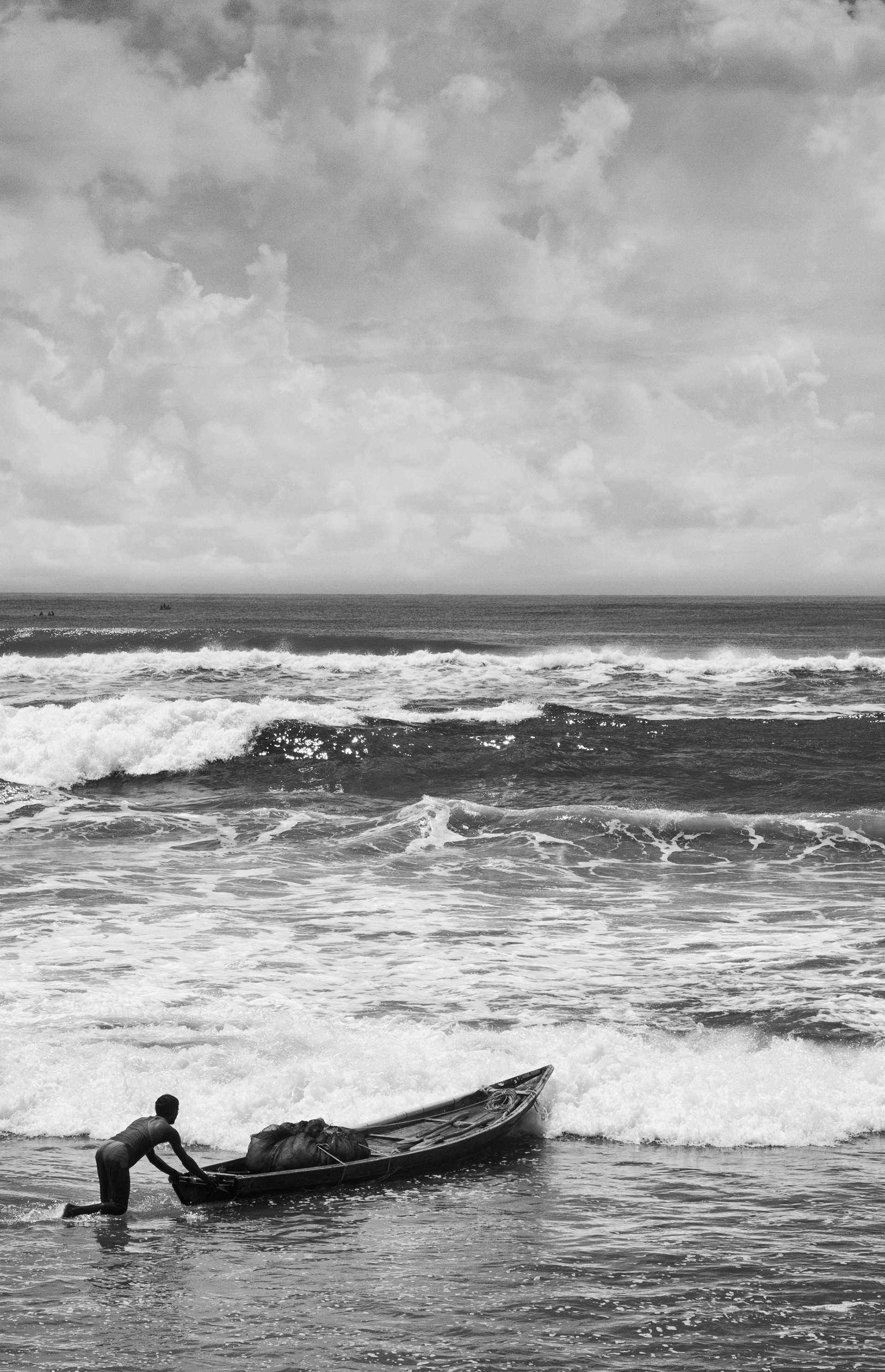
This gallery gathers street-level photographs that follow people in motion and in passing moments, a diary of a themeless people observed without ceremony. Bodies move through crowded frames while festival light, floodwater, sand, and painted skin become the real subjects. The work treats environment, society, and culture as one continuous subject matter, since a street frame rarely holds only one of them at a time. Photographs made in Kolkata and elsewhere record worship, labour, celebration, and quiet endurance with equal attention, allowing ordinary hours to carry the weight of documentary history.
The palette of the gallery follows the broader site design: a bright cyan and teal-blue anchored with black and white, cut by a lime-green strip and small green accents. Imagery is presented as full-bleed colour blocks set against a flat, graphic header, so photographs read as painted banners rather than isolated thumbnails. Generous whitespace separates each block, and rounded cards with thin light borders create a modular rhythm instead of a dense continuous flow. Section titles appear in uppercase sans-serif type, letting the images themselves carry the emotional density of the page.
Subjects here include mass gatherings and solitary figures alike: holy men and newlyweds, festival crowds and flood-stranded villagers, workers framed mid-task. Environmental themes such as sudden inundation, beach erosion, and changing landscapes sit beside portraits of belief, hope, and ritual. Rather than arranging these images as a fixed narrative, the gallery lets them accumulate, letting a bride's veil, a tattooed shoulder, and a sheet of flood water share the same visual field. Commissioned and personal work appear side by side, each judged by the same quiet criteria of attention and clarity.
A gallery page is also an invitation to browse rather than to read, so navigation is kept simple and the imagery does the explaining. Cards are rounded, lightly bordered, and separated by airy margins, with bold coloured text and understated underlined links carrying visitors onward to other collections, the contact page, or rights information depending on region and use. The overall effect is a segmented, poster-like presentation in which photographs on environment, society, and culture are stacked like sheets of paper, each frame a fragment of a larger, themeless record.